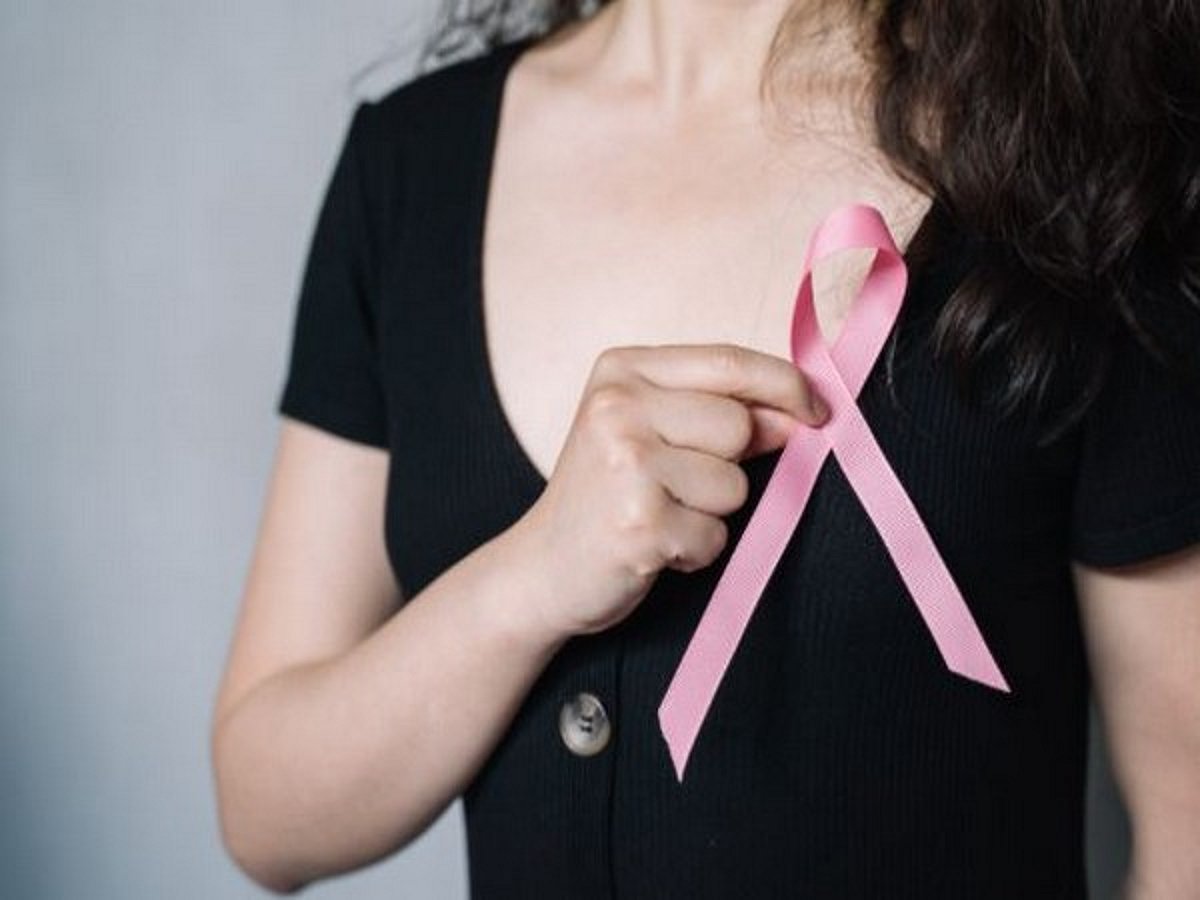
As the world observes World Cancer Day, it’s crucial to reflect on the ongoing battle against cancer, particularly in India, where the disease burden continues to grow. Recent estimates by National Library of Medicine, suggest that India witnessed over 1.46 million new cancer cases in 2022 to 1.57 million in 2025. This marks a 5% increase from previous years, with lung and breast cancer leading as the most common forms in men and women, respectively.
However, this surge in cases is not just a matter of numbers; it’s a reflection of the broader public health challenges the country faces in terms of awareness, accessibility, and affordability.
The medical fraternity and other healthcare stakeholders in the country have been raising serious concerns about the alarming trend in cancer cases, highlighting the numerous challenges India faces in cancer care and prevention.
Abhay Soi, President of NATHEALTH (the medical technology and industry body) and Chairman & Managing Director of Max Healthcare Institute, highlights the escalating costs of cancer care, the acute shortage of medical specialists, and the inadequate hospital infrastructure that fails to meet the demands of a growing patient population.
While India has announced import duty cuts on some cancer drugs, and recommends setting up more cancer care centers to reduce treatment costs and improve access, most of these initiatives have yet to show tangible results.
Import duty cuts primarily target generic cancer drugs, which are already manufactured in India. However, a more significant impact could be achieved if the cuts were applied to advanced branded medications, which are imported and priced exorbitantly.
Another major challenge is the lack of general awareness about cancer in India. This leads to late diagnoses, a higher number of untreated cases, and a significant overall rise in cancer incidence.
According Dr. Narayanankutty Warrier, a Senior Consultant Medical Oncologist, and Medical Director at MVR Cancer Centre and Research Institute, one of the key barriers India faces when it comes to tackling cancer is lack of awareness about cancer prevention and early detection.
“People often look for shortcuts to treatment, which is detrimental,” he says. Additionally, accessibility remains a significant issue, with diagnostic methods being limited and unavailable in many rural areas. As an example, in districts like Kozhikode, Kerala, where there is only one mammogram machine for nearly 900,000 women, early detection becomes nearly impossible,” says Dr Warrier.
Affordability is another critical issue. Dr. Warrier stresses the inequity in diagnosis across different regions of India. Despite the advances in cancer treatment, many people in rural areas or economically disadvantaged sections of the society simply cannot afford the necessary diagnostic tests and treatments, limiting their access to life-saving care.