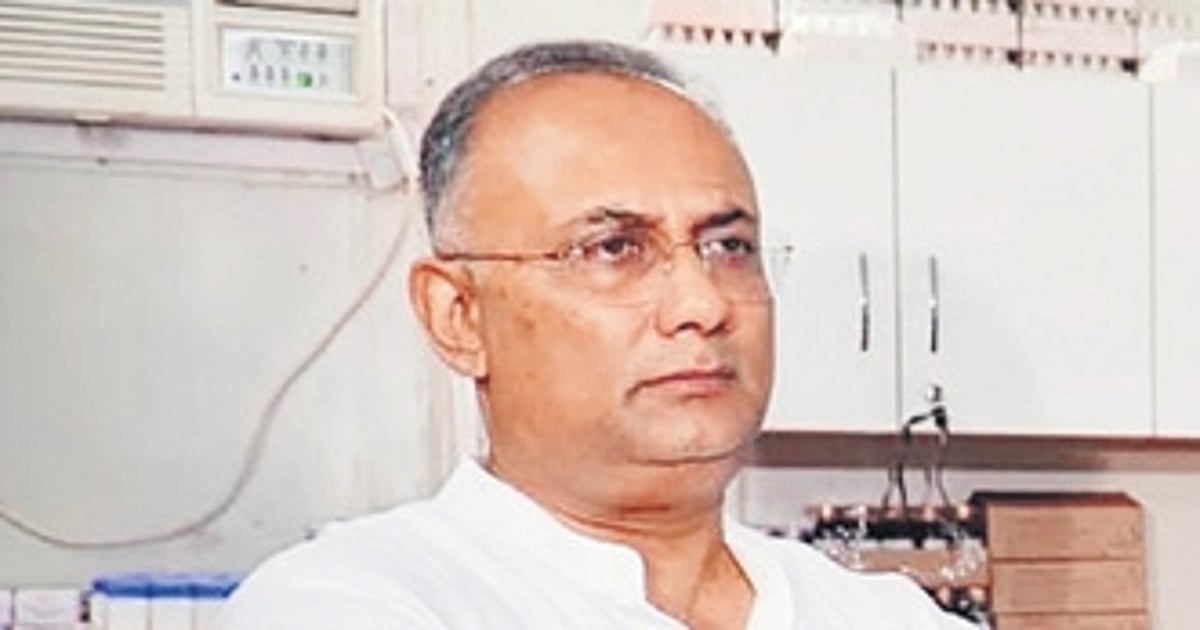

Dr. Asokan also highlights the disparity in healthcare infrastructure and services between states, noting that southern states have better systems in place. Primary Health Centres (PHCs) and sub-centres, the last health outposts, have seen no new openings and remain stagnant in numbers. These centres, based on the Bhore Committee’s recommendations from 1946, need to be re-envisioned and restructured to meet current population and human resource needs, including posting doctors in sub-centres.
Dr. Asokan criticises the current funding, stating that all governments are neglecting healthcare due to a lack of political will and understanding. He estimates that 5% of GDP, approximately 17 lakh crores in a 4 trillion economy, is necessary for adequate healthcare funding. Currently, the health sector is allotted around 87,000 crores, which is about one-fiftieth of the total budget.
Taking PMJAY as an example, Dr. Asokan points out that while the vision is commendable, the scheme is poorly conceived and underfunded, with 66% of the funds reserved for the government sector, diminishing the scheme’s impact.
The Right Healthcare Model
The current trend towards an insurance model, similar to the one in the US, is a failed approach according to Dr. Asokan. Instead, he advocates for a tax-funded model like the NHS in the UK, supplemented by small and medium hospital sectors, an intermediary between the for-profit corporate and government sectors, which the UK model lacks. This would provide a basic healthcare package for everyone, ensuring Universal Health Care (UHC), not just Universal Health Coverage (UHC).
Universal Health Care vs. Universal Health Coverage
Universal Health Care (UHC) refers to a healthcare system where everyone has access to essential healthcare services without financial hardship. It emphasises:
1. Equitable access
2. Comprehensive benefits
3. High-quality services
Universal Health Coverage (UHC), on the other hand, focuses on ensuring financial protection against healthcare costs. It aims to:
1. Ensure access to necessary healthcare services
2. Protect people from financial ruin due to medical expenses
3. Reduce out-of-pocket payments
Key Differences
1. Scope: UHC encompasses the entire healthcare system, while UHC focuses specifically on financial protection.
2. Emphasis: UHC emphasises access, quality, and equity, whereas UHC prioritises financial risk protection.
3. Metrics: UHC is often measured by access metrics (e.g., coverage rates), while UHC is measured by financial protection metrics (e.g., out-of-pocket spending).
Universal Health Care is a broader concept that encompasses the overall healthcare system, while Universal Health Coverage is a specific aspect that focuses on financial protection against healthcare costs.