
rigid flex be used in high-temperature applications
Rigid flex is an essential technology for modern electronic devices, offering space efficiency and flexibility in compact designs. However, the success of rigid flex depends on many design and manufacturing considerations. Understanding these issues and addressing them with the right mitigation strategies can ensure long-term reliability and performance in high-temperature environments.
The most common applications for rigid flex are consumer electronics, medical devices, automotive equipment, and aerospace systems. These devices are often used in harsh environments where vibrations, temperature changes, and moisture are common. Therefore, it’s important to choose the right materials for rigid flex to ensure that it can withstand these conditions.
Rigid flex circuit boards must be made of durable materials with good thermal stability and low coefficient of thermal expansion (CTE), insulated with thin, electrically nonconductive layers, and plated with copper for signal integrity. They must also feature a durable coverlay that protects the copper layers, a layer of rigid material that supports the flexible sections, and an outer shell for protection.
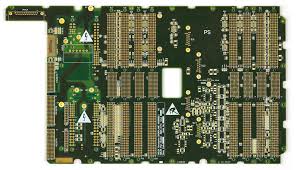
Can rigid flex be used in high-temperature applications?
Moreover, rigid flex PCBs must have an adequate thickness to support the structural integrity of the flex section and to prevent cracking in the bending zone. They must also be properly bonded to the rigid board, as well as to the components and connectors that will attach to the flex. Additionally, they must have a durable solder mask that prevents unwanted connections between flex and rigid elements.
For these reasons, it’s essential to work with a PCB manufacturer that has experience working with rigid-flex. An experienced supplier can help guide designers through the selection process, recommend mitigation strategies, and deliver rigid-flex PCBs that meet specific application requirements.
Rigid flex circuits can be more expensive to manufacture than traditional rigid PCBs, as they require more complex fabrication processes. However, the initial cost is offset by reduced assembly and maintenance costs as a result of the streamlined layout and fewer component attachment points.
Despite their numerous advantages, designing and manufacturing rigid-flex circuits can be complex. Engineers must carefully consider factors such as material selection, bending radius, and thermal management to ensure optimal performance. The manufacturing process requires precision and expertise, as the integration of rigid and flexible components introduces additional challenges compared to traditional PCBs. However, advancements in fabrication techniques and simulation tools have made it increasingly feasible to produce high-quality rigid-flex circuits at scale.
In conclusion, rigid-flex circuits represent a vital innovation in the field of electronics, combining the strengths of rigid and flexible PCBs into a single, cohesive design. Their ability to provide compact, durable, and adaptable solutions has made them indispensable in various industries. As technology continues to advance, the demand for rigid-flex circuits is expected to grow, driving further innovation in design and manufacturing processes.
In addition, integrating MCAD and ECAD tools into a single rigid-flex design program simplifies the process of preparing for manufacturing. The ability to view your bending region in 3D reduces manual routing time, and you can automatically generate Gerber files and assembly drawings, which can accelerate production.
