
The struggle with painful sex after menopause is real. Many women in midlife find that intercourse, which used to be pleasurable, has become uncomfortable or even unbearable. You might feel burning, dryness, tightness, or pain with penetration, leading you to avoid sex altogether. This not only affects you physically, but can strain your relationship. Painful intimacy often contributes to menopause and sexless marriage situations. We’re here to tell you that it’s not all doom and gloom, as it may seem to be,
There are effective solutions to restore comfort and joy to your intimate life, and painful intercourse, medically termed dyspareunia, is usually treatable. By understanding what causes pain during sex in females during menopause, you and your partner can approach the issue without shame and tackle it head-on. Commonly, the culprit is the hormonal changes of menopause, specifically the drop in estrogen, which trigger a cascade of physical effects.
In this article, we break down those causes for you and share expert-backed, time-tested solutions for painful sex after menopause, ranging from simple lifestyle tweaks and techniques to products and treatments that can make a world of difference. Consider this a toolkit to help you avoid painful sex and get back to feeling good with your partner. Let’s start by understanding the root causes of pain during sex in menopause.
What Causes Pain During Sex In Females During Menopause?
Painful sex in menopause is incredibly common. In fact, up to 45% of postmenopausal women report pain with intercourse. Understanding why this happens will reassure you that it’s not “in your head” and that there are specific issues we can address. Here are the main causes:
1. Estrogen decline leads to dryness and thinning
The primary cause of pain during sex in menopause is the loss of estrogen. Estrogen is the hormone that, among many things, keeps the vaginal tissue thick, elastic, and well-lubricated. When your ovaries dramatically reduce estrogen production, starting from perimenopause, the vaginal lining gradually thins, shrinks, and dries out. This condition is often called vaginal atrophy.
With less natural lubrication and thinner tissue, friction from intercourse can cause irritation, a sandpaper-like feeling, or even tiny tears. To put this perspective, imagine dry skin that cracks. Something similar happens internally once estrogen levels drop, leading to discomfort, pain, or even bleeding due to sexual intercourse. It often starts subtly, maybe a little soreness you didn’t used to have, and can progressively worsen if not addressed. The pain might be sharp, burning, or a tearing sensation.

It’s not your imagination, and it’s not because your partner is doing something wrong; it’s a direct physical change due to hormones. Importantly, continued sexual activity without addressing this dryness can create a vicious cycle: you anticipate pain, which causes anxiety and actually reduces your lubrication further, plus you might involuntarily clench your pelvic muscles, making intercourse even more painful.
Owing to this, you may start avoiding sex altogether, which can make matters worse. Without regular arousal and intercourse, blood flow to the vaginal tissues decreases, which can make the tissues even less elastic. When all of these factors come into play, painful sex after menopause can turn into a vicious cycle that feeds itself.
Related Reading: How To Increase Libido After Menopause
2. Inadequate arousal and lubrication
Menopause can also change how you become aroused. You might notice it takes much longer to get naturally lubricated, or that you never really reach the level of wetness you used to. This can be partly due to estrogen, but also due to lower libido or changes in blood flow. With age, genital tissues get less engorged with blood during arousal, so the swelling and lubrication response is weaker.
If you attempt penetration before you’re fully aroused and lubricated, it’s going to hurt. Also, if your partner isn’t aware of these changes, they may not adjust their approach. What used to be enough foreplay might not cut it now. The solution here involves communication with your partner and possibly rethinking your sexual routine, which can mean incorporating lubricants always, and focusing on more extended foreplay.
3. Pelvic floor muscle tension

A common but often overlooked cause of painful sex is the state of your pelvic floor muscles. These are the muscles that support your vagina, bladder, and uterus and they play a role in sexual function. Menopause itself doesn’t directly make them tense, but pain can cause a reflex tightening, and stress can too. Some women develop a condition called vaginismus, involuntary tightness of the vaginal muscles, either as a response to previous painful intercourse or due to anxiety.
If you expect sex to hurt, your body might preemptively tighten up, which indeed makes penetration painful or impossible. It’s a protective response gone awry. Additionally, hormonal changes might alter tissue pH and increase the chances of irritation or infections like yeast infections or urinary tract infections, which can also cause the pelvic floor to react. If you’ve experienced repeated painful attempts, even the thought of sex may make you clench without realizing it.
Related Reading: Menopause and Libido Loss: A Comprehensive Guide for Women
4. Other medical conditions
While menopause is the most common reason for painful sex at this age, it’s worth noting that other conditions can contribute. For instance, some women develop atrophic vaginitis, which is basically the inflammation from extreme dryness, or vulvar dermatological conditions like lichen sclerosus that cause skin changes and discomfort. Chronic conditions like interstitial cystitis or endometriosis, if they persist into menopause, can cause pelvic pain that makes sex hurt.
Menopause and not wanting to be touched can also sometimes stem from undiagnosed issues like an asymptomatic UTI, making you subconsciously avoid contact. It’s a good idea to see a healthcare provider to rule out any specific issues if sex is painful, just to ensure you’re covering all bases.
9 Solutions For Painful Sex After Menopause—Expert-Backed And Time-Tested
Now onto the good part—solutions to remedy painful sex after menopause. There is no one-size-fits-all solution here, since every body is different, and that’s why we’ve rounded up a mix of home-care tips, medical treatments, and product recommendations to help you overcome painful sex after menopause. So, take your time exploring and testing the different options and see what works best for you. You may find that a combination of a few approaches works best.
Side note: involve your partner in this process. Addressing this issue together, as a team, is good for your relationship because it helps you both see that intimacy is still important for you as a couple, and you want to do everything possible to bring it back into your life. Besides, this will let your partner know that this menopause and not wanting to be touched phase has nothing to do with them or how you feel about them. And since they are an active party in this equation, taking them along in this journey ensures they understand how to help. Let’s restore comfort and pleasure to your bedroom:
Related Reading: 10 Best Vibrators for Women Over 50, Rated By Real Women
1. Use lubricants generously and frequently
Your best first line of defense is lubrication, lubrication, lubrication. A quality lubricant can make penetrative sex glide instead of grind, immediately reducing friction-related pain. Even if you used to get plenty wet naturally, assume you’ll need some help now and that’s completely fine. There are many lubes on the market; you might need to try a couple to find your favorite. Water-based lubricants are generally a safe bet. They’re gentle and won’t break condoms or sex toy materials. A popular choice is Sliquid Silk, which some users in menopause forums rave about for its slick feel.
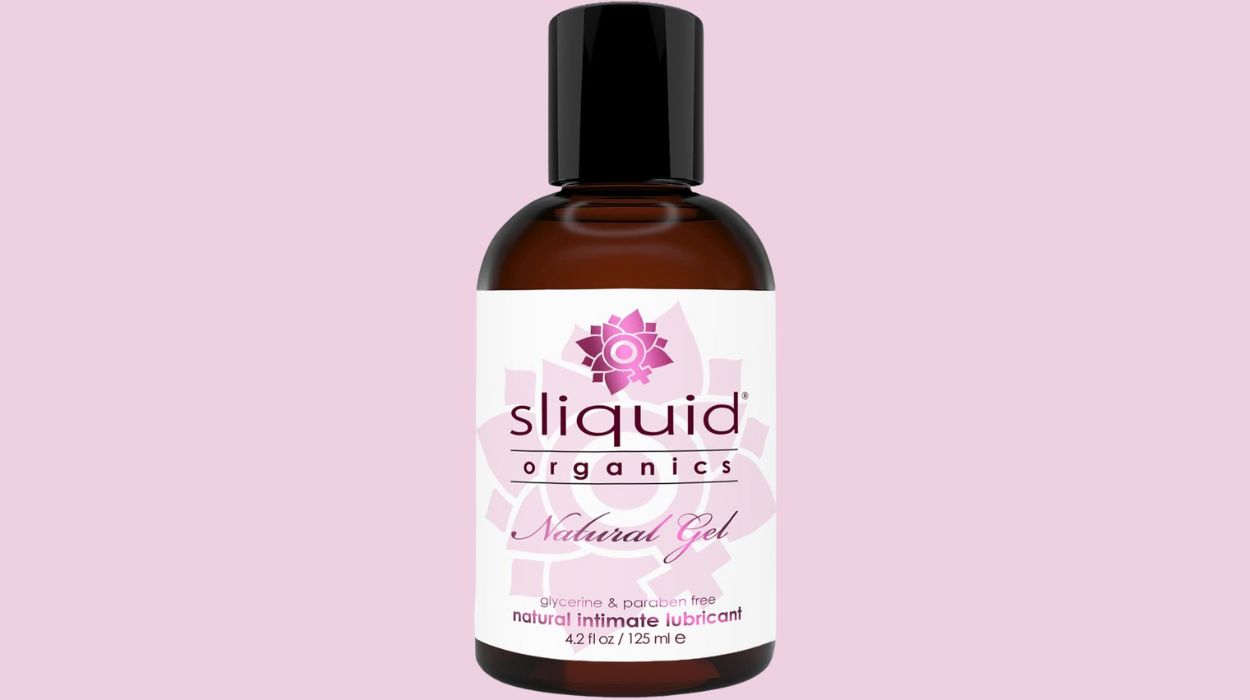
Silicone-based lubricants are another excellent option. They don’t dry out as quickly and are extremely slippery. They are not compatible with silicone sex toys, but for intercourse, they’re fantastic and often recommended for menopausal dryness. For example, Uberlube or Pjur are well-known silicone lubes with lots of fans.
Silicone lubes can even be used in water, like if you’re having fun in the bath, since they won’t wash off easily. The main caution is that they can stain sheets, so have a towel down. There are also oil-based lubricants like coconut oil or vitamin E suppositories, which some women love for the natural feel, but remember oils can degrade latex condoms and might increase infection risk for some.
Whichever type you choose, lubricate liberally. Proper lubrication can often turn a painful experience into an enjoyable one immediately, making it one of the simplest yet most effective solutions for painful sex after menopause.
Related Reading: Types of Lingerie: A Guide to DIfferent Lingerie Styles
2. Try vaginal moisturizers for ongoing hydration
Lubricants are for right before sex, but vaginal moisturizers are products you use regularly to keep the vaginal tissue hydrated on a daily basis. These can greatly reduce dryness and discomfort over time. A popular over-the-counter moisturizer is Replens, which you apply every few days. It contains ingredients that adhere to the vaginal lining and provide moisture for 2-3 days at a time. Many women find that using a moisturizer helps sex feel better, even when not using lube, because your baseline moisture is improved.
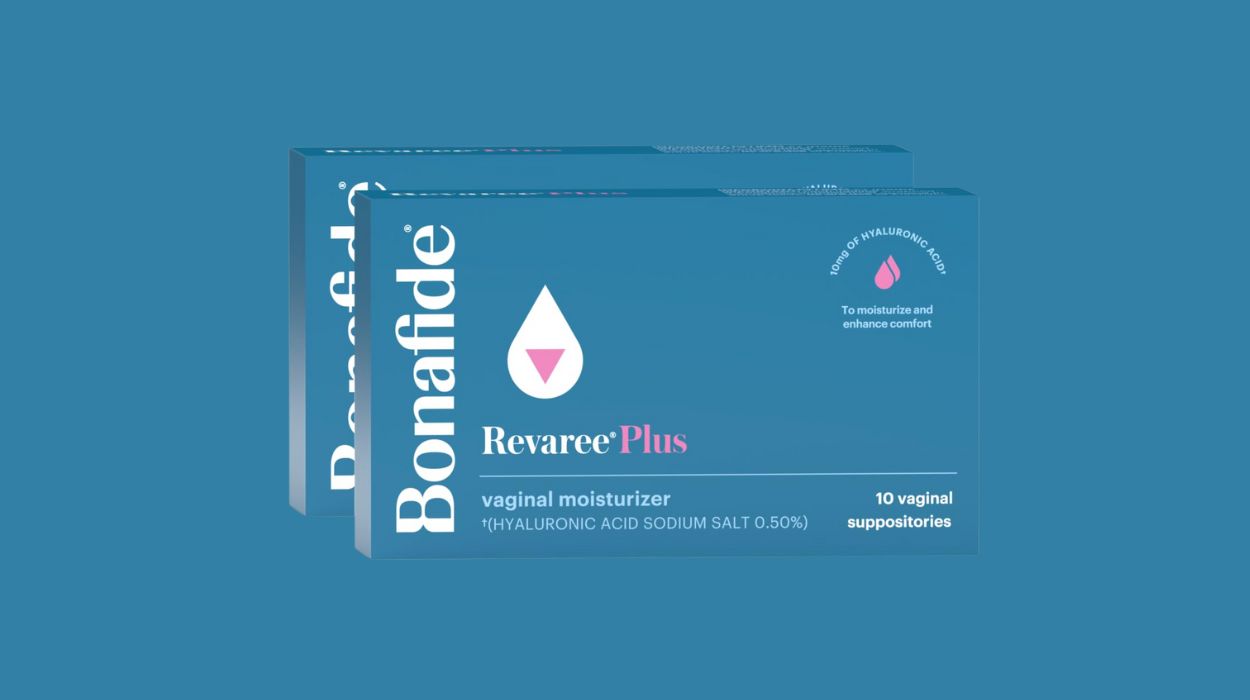
Other moisturizers include those with hyaluronic acid, which attracts water to tissues. For example, products like Revaree Plus use hyaluronic acid to improve vaginal moisture. There are also natural oil-based moisturizers with ingredients like vitamin E that some menopausal women swear by. One advantage of moisturizers is that by restoring some suppleness to the vaginal tissue, they might help reverse a bit of that thinning or atrophy. They’re also hormone-free, which is great for women who cannot or choose not to use estrogen.
Use them as directed. It’s usually recommended to apply them every 2-3 days, at bedtime, so it stays in place longer. After a few weeks of regular use, you should notice less daily dryness, less irritation, and, in turn, less pain during sex. One Amazon reviewer for a hyaluronic vaginal moisturizer wrote that it “made a 100% difference in comfort within 2 weeks.”
Bonus tip: Using a small amount of moisturizer right before sex, in addition to lube, can give extra cushioning.
3. Consider vaginal estrogen or other prescriptions
If over-the-counter measures aren’t enough, talk to your doctor about vaginal estrogen therapy. This is often a game-changer for painful sex after menopause. Vaginal estrogen comes in several forms: creams like Premarin or Estrace, tablets like Vagifem or Yuvafem, or a vaginal ring like Estring. These deliver a low dose of estrogen directly to the vaginal tissues, helping them become thicker, more elastic, and better lubricated naturally.
Unlike systemic hormone replacement pills or patches, vaginal estrogen acts mostly locally, so it has minimal absorption into the bloodstream. For most women, it’s very safe and not associated with significant risks. However, it’s always advisable to review your health history with your doctor, especially if you have a history of breast cancer or blood clots, before using any hormone-based products.
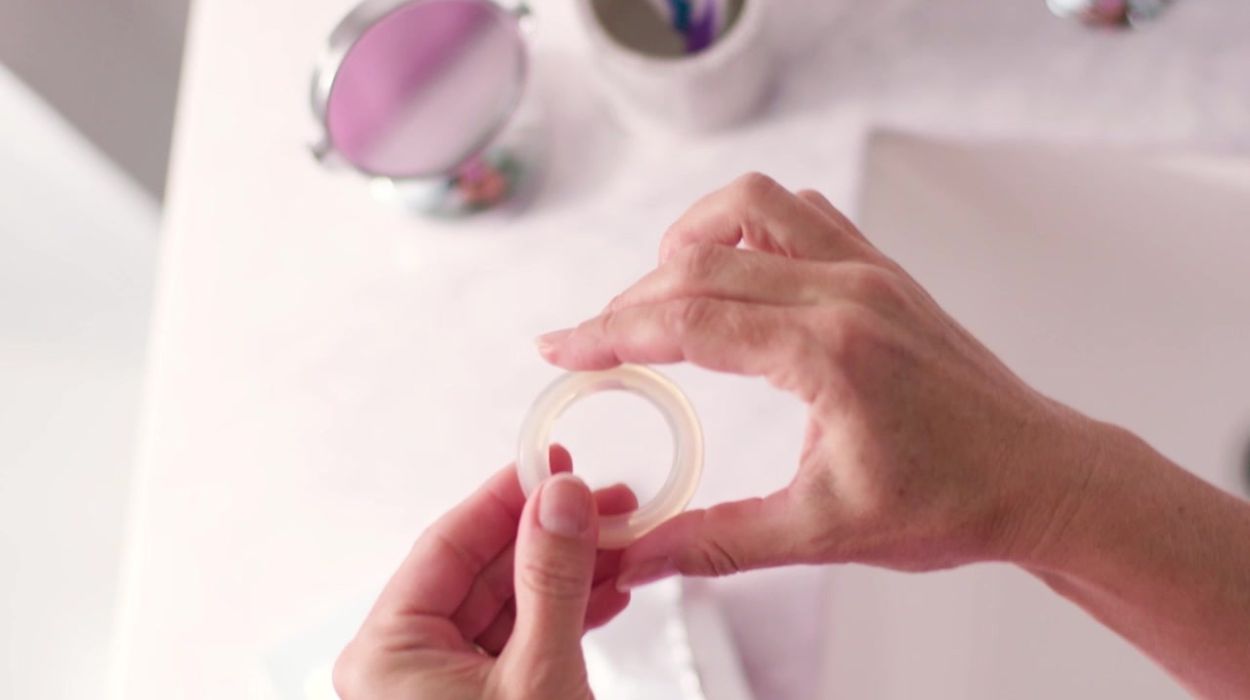
Many gynecologists recommend vaginal estrogen as the gold standard for treating menopausal vaginal changes. Apart from estrogen, there are other prescription options, such as:
- Prasterone (Intrarosa), a DHEA vaginal suppository used nightly. DHEA converts into estrogen and testosterone locally and can improve pain and lubrication
- Ospemifene (Osphena), a pill that acts like estrogen on vaginal tissue, thickening it, but without being a hormone. It’s taken daily and has helped many women with painful sex
- If painful sex is accompanied by low libido, you may explore a systemic therapy like low-dose testosterone, which can boost sexual interest and responsiveness
There’s also the notion of pills to increase sex drive female patients might want to explore, like flibanserin or bremelanotide (Addyi or Vyleesi), but keep in mind those are for general libido issues and not approved for postmenopausal women, and they don’t address the cause of pain.
4. Take it slow and increase foreplay
One of the simplest adjustments for how to avoid painful sex during or after menopause is to slow down. Quickies or rushing straight to intercourse can spell disaster when your body needs more time to get aroused. Communicate with your partner that extended foreplay isn’t just fun, it’s necessary now. Spend ample time on activities that turn you on and relax you:
- Gentle massage
- Deep kissing
- Oral sex
- Manual stimulation
Not only does this produce more natural lubrication, but it also signals your vaginal muscles to relax. If you have trouble getting in the mood, consider setting the scene. Maybe a warm shower together, or some erotic literature or videos that you’re comfortable with to stimulate desire. Some women find using a small vibrator on the clitoris during foreplay hastens lubrication and engorgement.
Dr. Faubion from the Mayo Clinic suggests, “Foreplay and strong clitoral stimulation should be emphasized.” You can even climax first through clitoral stimulation, then proceed to penetration after. This can make intercourse more comfortable and satisfying, as the clitoral orgasm will have brought blood flow to the area and relaxed you. Also, try different positions to find what’s most comfortable; some positions allow you to control depth and angle better. For example,
- Woman-on-top can be great because you can dictate how deep and fast things go, reducing pain if certain angles hurt
- Using pillows under your hips in missionary can change the angle of penetration, sometimes avoiding tender spots
- Side-lying positions (spooning) are gentle and allow shallow penetration if deep thrusts are painful
The key is experimentation and exploration. It might require some trial and error, but each successful pain-free encounter will build your confidence.
Related Reading: 8 Tips To Improve Intimacy In A Sexless Marriage
5. Use desensitizing or soothing products if needed
Some women may experience residual burning or irritation despite doing everything “right”, from lubing to extended foreplay, and estrogen supplementation. In such cases, a temporary use of a desensitizing product might help. These are typically available in the form of gels or creams with a mild anesthetic like lidocaine that you apply to the vaginal opening a short time before sex to numb the area slightly.
Using a pea-sized amount 10-15 minutes before intercourse can reduce the pain of initial penetration. This is not a long-term fix, but it can be a useful tool while you’re working on the underlying issues. Some women also report that numbing creams give them the confidence to attempt intercourse again after a hiatus because they know it won’t hurt as much. Always consult a doctor for appropriate products and usage.
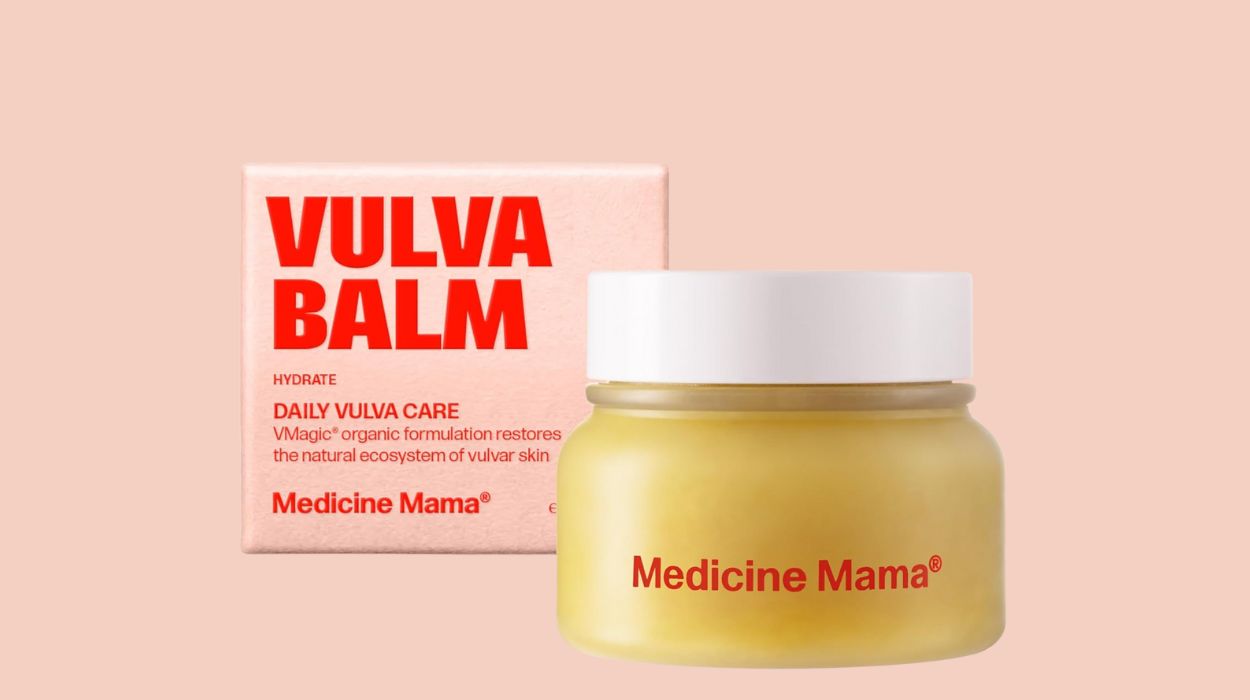
Soothing balms with natural ingredients can also be used after sex to calm any irritation. Look for products with aloe vera, calendula, or witch hazel. There are “feminine soothing” creams marketed for postpartum or menopause that help cool any soreness. VMagic Organic Vulva Balm, which contains olive oil, honey, and propolis, is a popular one. While it’s not specifically for lubrication, applying a small amount after sex can prevent that lingering burn feeling.
The bottom line is that you must cater to your comfort. If something hurts, don’t just grit your teeth. Pause, add more lube, adjust position, or use a bit of numbing gel. There is absolutely no benefit in “pushing through” pain. It just makes the experience worse next time.
6. Explore non-penetrative intimacy
A very valid approach while sorting out painful sex issues is to take penetrative sex off the menu for a while. This relieves the pressure and fear and allows you to heal and rediscover pleasure in other ways. Engage in all the intimate activities you want, anything from making out, mutual masturbation, oral sex, and sensual massage works. But agree that actual intercourse is paused until you feel ready.
Remember, sexual intimacy is more than penetration. You can climax and connect in many wonderful ways. Using fingers or sex toys designed for external pleasure can keep your sex life vibrant. For instance, a high-quality vibrator can bring powerful orgasms, which not only feel good but also improve vaginal health by increasing blood flow and lubrication. Erogenous zones like the clitoris, breasts, neck, and inner thighs can all be routes to satisfaction that don’t involve insertion. Focusing on these can actually heighten your arousal, such that when you do reintroduce penetration, your body might be more naturally accommodating.
Besides, taking a break from painful intercourse gives you a chance to reset mentally. You’re essentially retraining your brain that sexual activity is pleasurable, not painful. Once that positive association is strong again, you might attempt penetration with far less trepidation, which itself reduces pain. When you decide to try intercourse again, do it on a day when you’re feeling particularly good and turned on. And if it still doesn’t work, that’s okay. You have plenty of ways to keep intimacy alive as you continue working on solutions.
Related Reading: How to Spice Up A Sexless Relationship and Bring Intimacy Back?
7. Work with a pelvic floor physical therapist
If you suspect that pelvic floor tightness or spasms are part of your pain, consider seeing a pelvic floor physical therapist. These specialists are trained to help women relax and rehabilitate the muscles of the pelvic region. It might sound unusual, but pelvic floor therapy has proven very effective for conditions like vaginismus, vulvodynia, and GSM-related pain. A therapist will guide you through exercises, based on their evaluation. These exercises can range from stretches, breathing techniques, and posture adjustments to gentle trigger point releases or teaching you how to use dilators at home, and so on.
This can significantly reduce penetration pain for many women as it combats the tightening reflex. Pelvic floor PT or at-home dilation does require patience. It might take weeks or a few months to see a big improvement. But the long-term payoff is worth it. Especially if you’ve already addressed dryness and still have pain, this step can be the missing piece.
8. Communicate with your partner
It’s important to involve your partner in solving painful sex, since it affects you both. Openly communicate what you’re feeling and what you need. For instance, let them know if certain movements hurt and ask to avoid or modify them. If deeper thrusting is painful, guide your partner to use shallower thrusts. If going too fast causes friction burn, ask them to slow down or pause intermittently. Use a clear signal during intimacy: you could say “gentle” or “slow” as a reminder, or conversely “that’s okay” when it feels alright, so they know.
Also, discuss alternate ways of satisfaction; ensure your partner knows that if intercourse is limited for now, it doesn’t mean there’s no sexual connection. Maintaining emotional intimacy through cuddling, affectionate words, and non-sexual touch, in the meantime, is also crucial so neither of you feels rejected or unwanted.
A loving spouse likely hates the idea of causing you pain and will be relieved to know how to make you comfortable. Sometimes men fear hurting their wife but don’t know what to do differently, so they might withdraw or avoid sex too, which can create emotional distance. By communicating, you can turn around a potentially rift-causing situation and use it as an opportunity to tackle a challenge as a team, which will only bring you closer.
“When you feel like your partner is on the same page as you, satisfying sex becomes something you can explore together – rather than something you have to figure out on your own.”
– Dr. Alyssa Dweck, OB/GYN
9. Be patient, it often gets better
Dealing with painful sex after menopause takes time and some experimentation. Be patient with yourself and with the process. It can be easy to get discouraged if one attempt at intercourse still hurts, or if a certain product doesn’t seem to help immediately. But don’t give up. Progress might be slow, but it’s still progress. Try to keep a positive outlook that your sex life is not over; it’s just evolving.
Sometimes simply reducing the stress around the issue helps your body respond better. If you’re tense and expecting pain, the experience often fulfills that negative prophecy. On the other hand, if you approach intimacy with optimism and focus on what does feel good, your brain can actually relearn to associate sex with pleasure.
Final Thoughts
Painful sex after menopause is a hurdle, for sure, but not a permanent roadblock. With the right approach, sex can become comfortable and enjoyable again. In fact, many women report that their post-menopausal sex life is as satisfying as ever once they address these issues. We’ve discussed a range of solutions: from using lubes and moisturizers to medical therapies like vaginal estrogen, to techniques in the bedroom, and even mindset shifts. Every small step you take, whether it’s applying cream regularly, doing your pelvic stretches, or communicating openly with your spouse, brings you closer to pain-free intimacy. Keep in mind that menopause and not wanting to be touched often go hand in hand, but it doesn’t have to stay that way.
As you implement these solutions, your natural desire and comfort with touch are likely to return. And on those days when you wonder, “Does painful sex during menopause go away?”, remind yourself that for the vast majority of women, the answer is yes. Your sex life at 50+ might not look exactly like it did at 30, but it can be rich, fulfilling, and even adventurous.
Maintenance Sex – What Is It, Why Is It Important, And How To Have It?
11 Confessions By Married People On Why They Stopped Having Sex
The Pressure to Perform, When Intimacy Becomes a Chore
Your contribution does not constitute a charitable donation. It will allow Bonobology to continue bringing you new and up-to-date information in our pursuit of helping anyone in the world to learn how to do anything.

Share Feedback