
Printed Circuit Board Manufacturers From Moisture
Moisture is one of the biggest threats to printed circuit boards. If it’s not handled properly during manufacturing, assembly and packaging or storage, moisture can damage the functionality of a PCB and result in failures. The good news is that there are many methods for preventing moisture from damaging a PCB. These include storing them in a dehumidified environment, using desiccant packs, and employing other protective methods during fabrication and assembly.
Moistures in the air can affect the functioning of a PCB by disrupting the dielectric constant, which is the measure of how much electrical energy a material absorbs. High levels of humidity can aggravate this effect, leading to a loss of signal speed and impedance. To avoid this, manufacturers can prevent moisture absorption by sealing the board in a waterproof barrier, such as conformal coating. Conformal coatings also help protect a PCB from dirt and dust, which can interfere with the operation of the circuits over time.
There are several factors that influence the amount of moisture a pcb board manufacturers can engross, including component placement, layout, and design. Poor quality PCB materials can increase the penetration of moisture, as can improper curing processes. Likewise, frequent temperature variations can exacerbate moisture accumulation and lead to expansion and contraction. In addition to these factors, there are a number of steps that can be taken to prevent moisture in the first place.
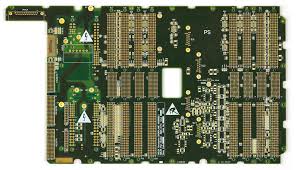
Protecting Printed Circuit Board Manufacturers From Moisture
The most common method of eliminating moisture during the assembly process is baking, a process that heats a PCB to a high temperature in order to force moisture out. However, this method has a few drawbacks, such as increased expenses and additional cycle times. It can also contaminate a PCB and cause irreversible damage to the components.
To prevent moisture from contaminating a PCB during the manufacturing process, manufacturers can seal the board in a waterproof barrier. These barriers offer protection against both water and dust, and can significantly improve the reliability of a PCB over a long service life. In addition, they can protect against other environmental conditions, such as varying temperatures and shock.
Another way to prevent moisture in a PCB is by utilizing meshed copper planes, which can inhibit the transfer of moisture between layers and within a single layer. This can also help to strengthen the bonding between layers.
During the assembly process, manufacturers can use vacuum-sealed packages to eliminate extra moisture from the air. They can also use desiccant packs, which contain silica gel or molecular sieves to absorb moisture from the enclosure. The packs should be regularly replaced to ensure that the PCB is protected from moisture.
To reduce the impact of moisture on a PCB, the manufacturer can apply a conformal coating, which is sprayed on the surface of the board and hardened with a UV light. These coatings can be made from acrylic acid, polyurethane, or epoxy, and each has its own pros and cons for toughness, chemical resistance, and removability. This technique is particularly effective for button pads and other contacts on the board that must be exposed to the outside world, but still need to be protected from moisture.