
Flexible Printed Circuit Manufacturers
In our modern technology-driven world, we rely on a variety of electronic devices for many aspects of our lives. Among these are phones, laptops, tablet computers, and even medical equipment. In order to function properly, these devices require a plethora of complex electronics components and other materials. To ensure that these devices meet the demands of consumers, they must undergo extensive testing and quality control processes. This is where flexible printed circuit manufacturers come in. These companies are able to manufacture PCBs that are flexible and durable. When choosing a flex PCB manufacturer, consider factors such as technical capabilities, equipment, and quality standards.
A reputable company will be certified by an organization that sets industry standards. The most common organizations are the International Electronics Manufacturing Association (IEEMA), the Institute of Electrical and Electronics Engineers (IEE), and the Underwriters Laboratories (UL). Those that have these certificates can be trusted to produce high-quality products.
UL certifications cover various safety measures, including flammability and long-term durability. These tests are performed by UL engineers and technicians. Once a board passes these tests, it will be marked with a UL logo and the fabricator’s name.
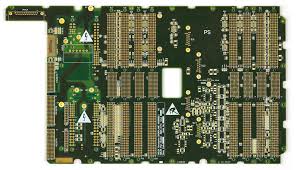
What Certifications Do Flexible Printed Circuit Manufacturers Have?
The UL logos indicate that the bare board meets a specific standard for safety and reliability. This can be important for a customer, as it allows them to choose the best flexible printed circuit manufacturers for their application. UL certifications also help to reduce the risk of potential defects or errors in post-production.
In addition to UL certificates, a reputable flex PCB manufacturer should have the proper equipment to produce high-quality products. These machines include laminators, laser drilling systems, and etching systems. Laminators use heat and pressure to bond flex substrates and layers together, while laser drillers can create precise, small holes for high-density interconnections. Etching systems remove excess copper and can be used to define circuit patterns on the flex substrate.
The right equipment also makes it easier to handle the various steps of the manufacturing process. For example, a flex PCB factory should have a system for cleaning and disinfecting wastewater from the etching process. This is important because the wastewater contains a lot of toxic chemicals.
A flex circuit manufacturer should also be able to create a prototype of the product before mass production. This will allow customers to provide feedback and suggest any changes before production begins. This can save time and money in the long run, especially if the manufacturer has to remake a defective product.
Finding the right flex PCB manufacturer can be challenging, but it is possible to find one that fits your needs and specifications. When choosing a flex PCB maker, look for a company that offers services like design and engineering, manufacturing, and assembly. The right company will offer a wide range of flexibility to meet your needs, including different layer counts and material selections. They should also be able to deliver your flex circuits within a short period of time.
