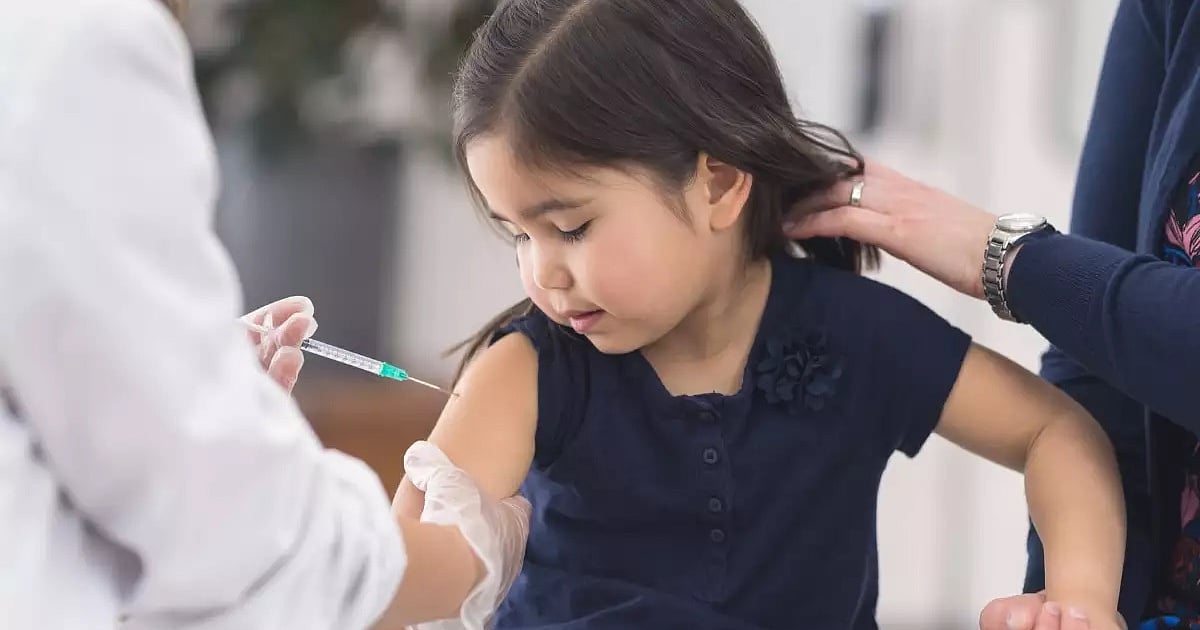
In 2023, only 83% of children worldwide received their first dose of the measles vaccine through routine health services, while the number of children receiving their second dose modestly increased from the previous year, reaching 74% of children.
These figures fall short of the 95% coverage needed to prevent outbreaks, avert unnecessary disease and deaths, and achieve measles elimination goals.
Over the last five years, measles outbreaks have hit 103 countries, home to roughly three-quarters of the world’s infants. Low vaccine coverage (80% or less) was a major factor. In contrast, 91 countries with strong measles vaccine coverage did not experience outbreaks.
“Measles outbreaks are the canary in the coalmine, exposing and exploiting gaps in immunisation and hitting the most vulnerable first,” said Dr Tedros Adhanom Ghebreyesus, WHO Director-General.
“This is a solvable problem. The measles vaccine is cheap and can be delivered even in the most difficult places. WHO is committed to working with all our partners to support countries to close these gaps and protect the most at-risk children as quickly as possible.”
More than half of unvaccinated children live in the 31 countries with fragile, conflict-affected, and vulnerable settings, where children are especially vulnerable to preventable diseases because of disruptions and a lack of access to security, nutrition, and health services.
However, the data highlighted some brighter spots in immunisation coverage, which was the steady introduction of new and under-utilised vaccines, including for human papillomavirus (HPV), meningitis, pneumococcal, polio, and rotavirus disease, which continue to expand the breadth of protection, particularly in the 57 countries supported by Gavi, the Vaccine Alliance.
The joint report said the share of adolescent girls globally who received at least one dose of the HPV vaccine, which protects against cervical cancer, increased from 20% in 2022 to 27% in 2023.
This was largely driven by strong introductions in Gavi-supported countries, such as Bangladesh, Indonesia, and Nigeria. The use of the single-dose HPV vaccine schedule also helped boost vaccine coverage.
“The HPV vaccine is one of the most impactful vaccines in Gavi’s portfolio, and it is incredibly heartening that it is now reaching more girls than ever before,” said Dr Sania Nishtar, CEO of Gavi, the Vaccine Alliance.
“With vaccines now available to over 50% of eligible girls in African countries, we have much work to be done, but today we can see we have a clear pathway to eliminating this terrible disease.”
However, HPV vaccine coverage is well below the 90% target to eliminate cervical cancer as a public health problem, reaching only 56% of adolescent girls in high-income countries and 23% in low- and middle-income countries, it added.
The WHO and UNICEF data provide the world’s largest and most comprehensive dataset on immunisation trends for vaccinations against 14 diseases given through regular health systems, normally at clinics, community centres, outreach services, or health worker visits.