
environmental considerations for Pcb productions
As the demand for electronics continues to grow, so does the need for efficient and sustainable PCB production processes. Printed circuit boards (PCBs) are essential components of virtually all modern electronic devices, from smartphones to medical equipment. However, the production of these boards can have significant environmental impacts, which is why it’s important for manufacturers to consider sustainable practices.
Environmental considerations for PCB production encompass a variety of factors, including material choices, energy consumption, waste management, and chemical use. In this article, we will explore some of the key environmental concerns in PCB production and discuss how manufacturers can mitigate their environmental footprint.
One of the primary environmental considerations in pcb production is the selection of materials. Traditional PCBs are typically made from materials like epoxy resins, fiberglass, and copper, all of which require substantial energy and resources to manufacture. The environmental impact of sourcing and processing these materials can be significant, especially when it comes to the extraction of raw materials and the energy-intensive processes involved in creating the board substrates.
To address these concerns, manufacturers are increasingly turning to more sustainable alternatives. For example, using biodegradable or recyclable materials for PCB substrates can reduce the environmental impact of the production process. In addition, some manufacturers are exploring the use of copper alternatives, such as silver or gold, which can have less environmental impact during extraction and processing. There is also an increasing emphasis on reducing the use of rare or hazardous materials, like lead, cadmium, and mercury, which can pose risks to both human health and the environment.
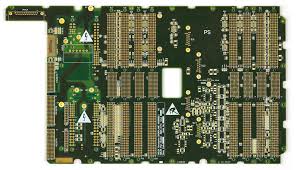
What are the environmental considerations for Pcb productions?
The PCB production process is energy-intensive, with significant power consumption associated with tasks like etching, plating, and laminating. The demand for energy often results in higher greenhouse gas emissions, contributing to climate change. As a result, energy efficiency has become a critical consideration for PCB manufacturers aiming to minimize their environmental footprint.
One way to reduce energy consumption is through the use of more efficient manufacturing equipment and optimized production processes. Implementing energy-saving technologies, such as LED lighting, energy-efficient ovens, and power management systems, can significantly lower energy usage. Additionally, renewable energy sources, like solar or wind power, can help offset the environmental impact of the energy used in PCB production. Many manufacturers are also adopting lean manufacturing principles, which streamline operations to reduce energy waste and improve overall efficiency.
PCB production involves the use of various chemicals, including solvents, acids, and etching agents, which can be hazardous to both human health and the environment if not handled properly. For example, traditional PCB etching processes often use copper chloride or ferric chloride, chemicals that can be harmful to ecosystems if released into water sources. Similarly, the process of soldering PCBs often involves the use of lead-based solders, which are toxic if not disposed of correctly.
To mitigate these risks, manufacturers are increasingly adopting safer, more environmentally friendly chemical alternatives. For instance, many companies are transitioning to lead-free soldering materials, such as tin-silver-copper alloys, which are safer for both workers and the environment. In addition, more eco-friendly chemicals, such as water-based etching solutions and non-toxic cleaning agents, are being used in place of traditional hazardous chemicals.
Waste management is another critical aspect of environmental responsibility in PCB production. During the manufacturing process, large amounts of waste are generated, including chemical sludge, metal scraps, and defective PCBs. Improper disposal of these waste materials can lead to soil and water contamination. To address this, manufacturers are investing in more efficient waste management systems, including recycling programs that allow for the recovery of valuable materials like copper and gold from scrap PCBs. Additionally, implementing closed-loop water systems can help reduce water consumption and prevent harmful chemicals from being released into the environment.
